
How to Lose Weight: What Works and When Medical Weight Loss Helps
By the Beauty Enhanced Aesthetics team
To lose weight and keep it off, combine a modest calorie deficit, regular activity, quality sleep, and stress management, then track your progress. If lifestyle changes alone stall, medical weight loss with a provider-guided plan, which may include a GLP-1 or GLP-1/GIP medication, can add support for eligible adults.
Almost everyone who has tried to lose weight knows the cycle: a strong start, a plateau, then the weight creeping back. That pattern is common, and it is rarely about willpower. This guide walks through what the evidence says about healthy weight loss, why some weight feels impossible to shift, and how to tell when it is time to bring in medical support.
Why Is It So Hard to Lose Weight?
Weight is not a simple equation of eating less and moving more. The Centers for Disease Control and Prevention (CDC) notes that medicines, medical conditions, stress, genes, hormones, environment, and age can all affect weight management. When several of these work against you at once, a standard diet can feel like pushing uphill.
That is also why comparison does not help. A plan that worked for a friend may not work for you, and a plan that worked for you at 30 may not work at 45. Understanding your own starting point is the first real step toward a lasting result.
7 Steps to Lose Weight That Actually Last
The CDC describes healthy weight loss as a lifestyle with healthy eating patterns, regular physical activity, enough sleep, and stress management. Here is how to turn that into a practical plan.
1. Start with a realistic goal. The National Institute of Diabetes and Digestive and Kidney Diseases (NIDDK) says experts recommend an initial goal of 5% to 10% of your starting weight within 6 months. For someone who weighs 200 pounds, that is about 10 to 20 pounds. The CDC adds that people who lose weight gradually, at roughly 1 to 2 pounds a week, are more likely to keep it off than people who lose weight quickly.
2. Track where you are today. For a few days, write down what you eat and drink, how much you move, how you sleep, and how stressed you feel. Patterns show up quickly, such as late-night snacking or sugary drinks that add up.
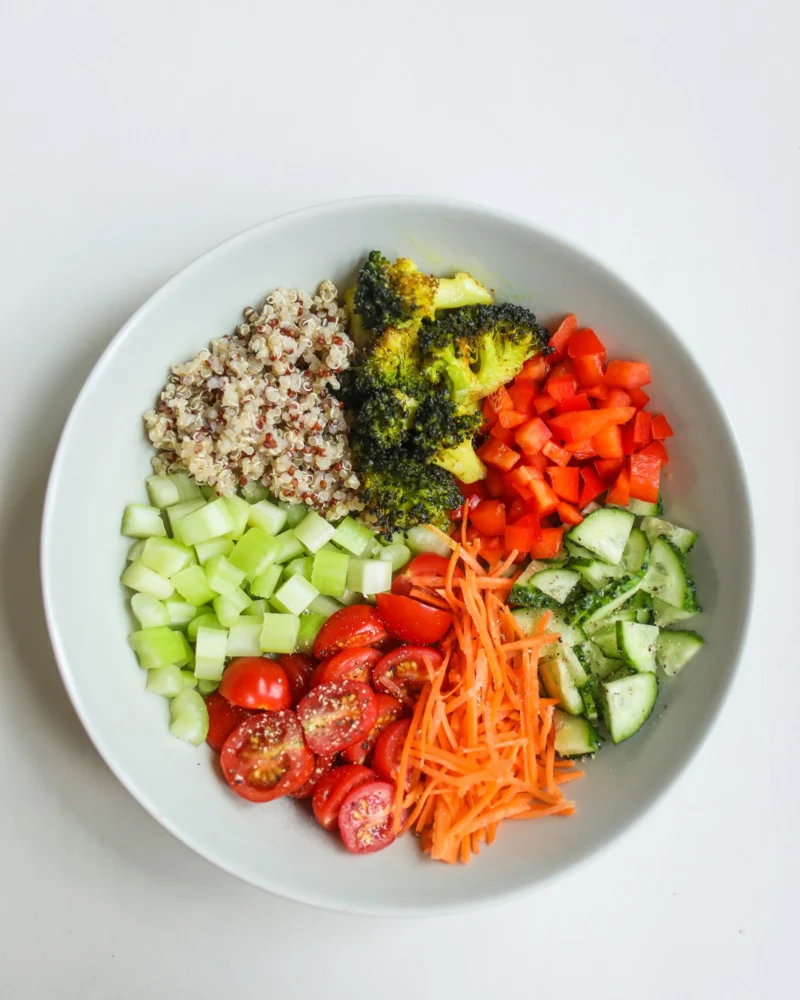
3. Build a balanced eating plan you can keep. Choose a plan that fits your health, culture, and preferences, because the best plan is the one you can follow for years. Focus on vegetables, fruit, lean protein, whole grains, and water, and cut back on sugary drinks and heavily processed snacks.
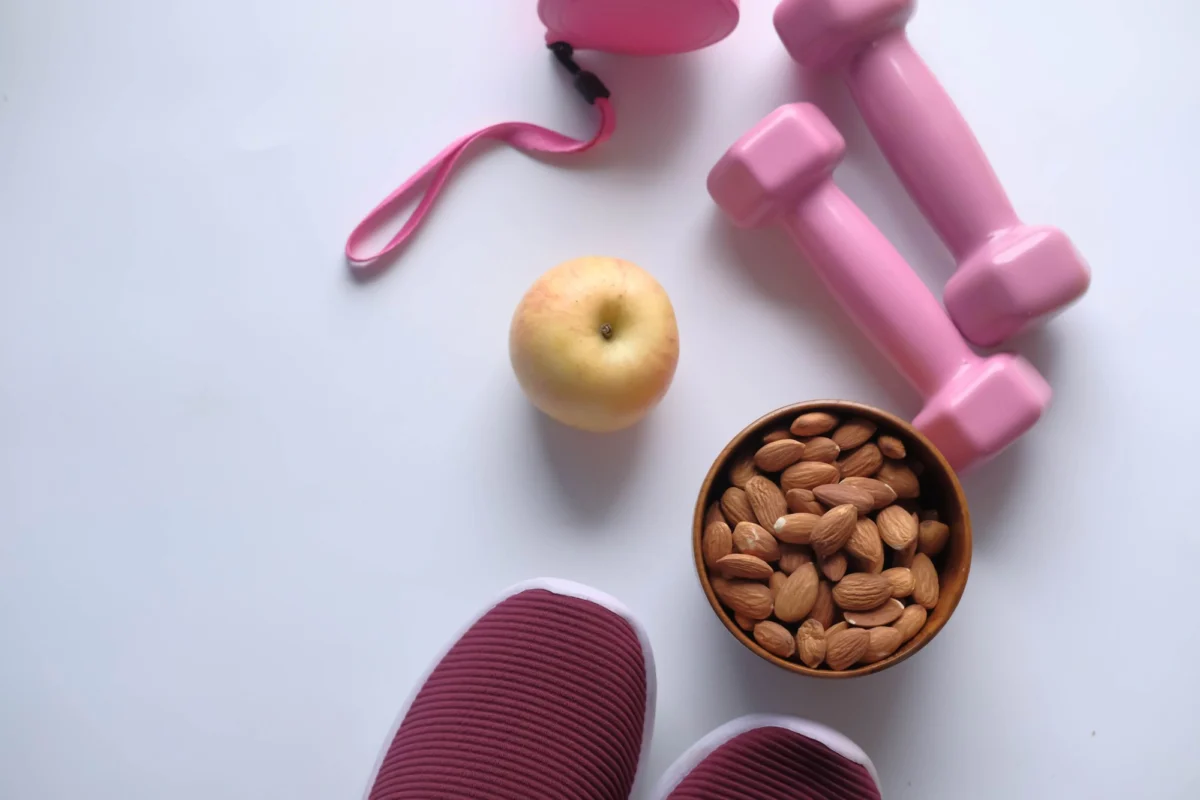
4. Move your body most days. Federal guidelines recommend at least 150 minutes a week of moderate aerobic activity and at least 2 days a week of muscle-strengthening activity. Strength work matters because it helps you hold on to muscle as you lose weight.
5. Protect your sleep and manage stress. Poor sleep and chronic stress can increase hunger and make healthy choices harder. Regular bed and wake times and a few minutes of daily stress relief can quietly support every other step.
6. Get support. Friends, family, a dietitian, or a medical team can keep you accountable and help you through plateaus. The CDC suggests asking a health care provider for follow-up visits to monitor your weight and related health conditions.
7. Review and adjust. Revisit your goals regularly. Keep what works, change what does not, and add a new goal when you reach one. The CDC outlines this approach in its guide to steps for losing weight.
Can You Lose Stubborn Fat in One Area?
Many people ask how to lose stubborn fat on the belly, hips, or thighs. Targeted exercises feel logical, but the research does not support them. A meta-analysis of 13 controlled studies found that training one area did not reduce fat in that area. In practice, fat comes off across the whole body, and the spots that feel stubborn often change last. Steady overall weight loss, strength training, sleep, and patience are the reliable path.
Warning Signs of a Weight Loss Plan to Avoid
Social media is full of promises that sound exciting and rarely deliver. NIDDK advises staying away from programs that promise to lose weight without diet or exercise, to lose 30 pounds in 30 days, or to burn fat in one body part. It also cautions against programs with tiny print, hidden fees, or before-and-after photos that seem too good to be true. A safe program should be overseen by a qualified professional and be able to explain its results, risks, and costs. You can review their full checklist in choosing a safe and successful weight-loss program.
When Does Medical Weight Loss Make Sense?
Lifestyle changes are the foundation, but they are not always enough on their own. It may be time to talk with a provider about medical weight loss if:
- You have lost and regained weight several times despite real effort
- Constant hunger or cravings make it hard to follow any plan
- You have a weight-related condition such as high blood pressure, prediabetes, or type 2 diabetes
- Your progress has stalled for months even though your habits are consistent
- You want a supervised plan with measurable follow-up instead of guessing
Medical weight loss begins with a full health evaluation. Your provider looks at your medical history, medications, and labs to find what may be holding your weight in place, then builds a plan around what they find. Our health evaluation is where many patients begin.
Where Does GLP-1 Weight Loss Fit In?
GLP-1 medications mimic a gut hormone that regulates appetite, and GLP-1/GIP medications act on a second hormone as well. By helping you feel full sooner and think about food less, they can make a healthy eating plan easier to follow. Many are given as a weekly GLP-1 injection, and they are available only by prescription.
According to NIDDK guidance on prescription medications for overweight and obesity, a provider may consider medication for adults with a body mass index (BMI) of 30 or higher, or a BMI of 27 or higher with a weight-related condition. NIDDK also reports that adults who use these medications as part of a lifestyle program lose, on average, 3% to 12% more of their starting body weight after one year than adults in a lifestyle program alone. Those are averages, not guarantees, and most weight loss occurs in the first 6 months.
Two honest points matter here. Side effects, mostly digestive, can occur and are managed with provider guidance. And NIDDK says you will probably regain some weight after stopping, which is why long-term weight management planning belongs in the program from day one. Medication supports the work. It does not replace it. You can learn more about how we approach care on our weight loss treatment page.
Looking for GLP-1 Near Me? Medical Weight Loss in Redlands and the Inland Empire
If you are searching for a weight loss clinic near you, look for a practice that offers a real evaluation, provider oversight, and ongoing follow-up, not just a prescription. Beauty Enhanced Aesthetics welcomes patients from Redlands, Loma Linda, Yucaipa, Highland, San Bernardino, Rancho Cucamonga, and Riverside.
Beauty Enhanced Aesthetics
535 W State St #H, Redlands, CA 92373
Meet the team behind your care on our about page, and review current options on our pricing page.
Ready to stop guessing? Schedule a weight loss consultation and get a plan built around your body, your health, and your goals.
Frequently Asked Questions
This article is for general education and is not medical advice. Weight loss results vary and are not guaranteed. Only a licensed provider can determine whether treatment is right for you.